Pick
PickNVIDIA opens Vera Rubin architecture at OCP Summit
At the Open Compute Project summit, NVIDIA opened its Vera Rubin architecture to partners to help scale large AI data centers on open standards.
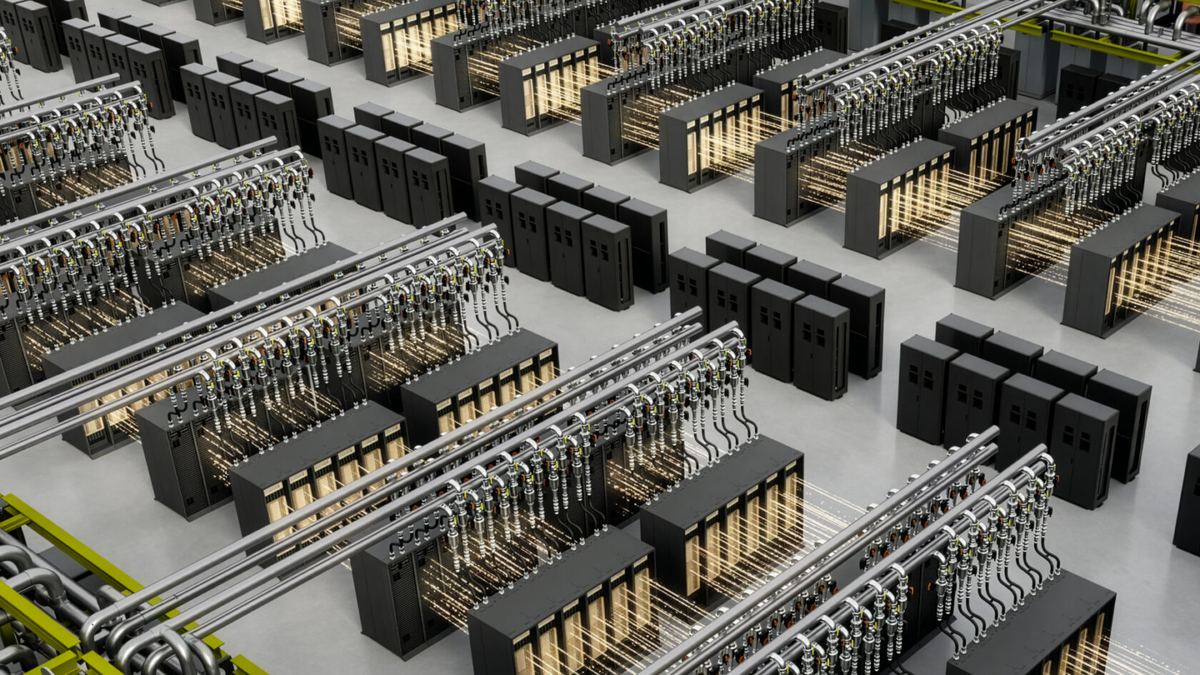
At the Open Compute Project Global Summit in San Jose, NVIDIA contributed key designs from its Vera Rubin platform to the open hardware community, aiming to make large AI data centers faster and easier to build on shared standards.
What NVIDIA contributed
NVIDIA released core Vera Rubin rack and compute tray designs to OCP through its open MGX architecture. The goal is to give system builders a common foundation for the next generation of what NVIDIA calls AI factories, data centers dedicated to training and running AI models.
The company also contributed to the third-generation MGX AI data center reference design through OCP's Open DC Initiative. Together with open liquid-cooling technologies, the effort is meant to turn proven designs into standards that other manufacturers can adopt and produce.
For Vera Rubin systems, the updated MGX 1.2 specification adds rack-scale blind-mate liquid cooling, interoperable rack-scale interconnects and a liquid-cooled 5,000-amp busbar for high-power systems. It also supports standard 19-inch equipment and higher-density racks, plus configurable I/O bays, fanless liquid-cooled compute trays and standardized power and cooling interfaces.
NVIDIA's Ian Buck said open infrastructure is becoming essential as AI data centers scale from megawatts to gigawatts.
Why it matters for builders
Most developers will never specify a busbar, but data center design directly affects the price and availability of AI. Standardized, liquid-cooled racks can be built and deployed faster, and better power efficiency means more tokens per watt. Over time, those gains show up as more capacity from cloud providers and inference platforms, and often lower prices.
Open standards also help competition. When designs are shared, more manufacturers and cloud providers can build compatible systems, which reduces dependence on a few suppliers.
For builders, the practical takeaway is to plan for compute getting cheaper and more abundant, while staying flexible about where you run models. Using routers and multiple inference providers lets you take advantage of new capacity as it comes online.
Inference platforms and model hubs are listed in our APIs & Model Platforms category.
Source: NVIDIA. This article is PickAI’s own summary and analysis based on the original reporting.