Pick
PickCerebras CEO predicts personal AI assistants at home
Andrew Feldman said at TechCrunch Disrupt that home AI assistants will become common, running partly on device and partly in the cloud.
Cerebras Systems CEO Andrew Feldman believes personal AI assistants that live in our homes are not far off. He made the prediction on stage at TechCrunch Disrupt 2026.
Feldman's vision
Asked what it would take for AI to become a household appliance, Feldman said he did not think it was very far away. He pointed to recent consumer agent products, including Meta's Muse and the startup Instinct, as signs that AI is gaining traction with everyday users.
He expects home assistants to work like phones do today: some processing on the device, some in the cloud. Over time, he said, they will get to know their users well, operate inside a security perimeter, and have access to payment methods so they can buy things on your behalf.
Feldman also described his own use of AI: a collection of agents that review his calendar and gather background on people before calls. He said he is most excited by things that were not possible before, though he is leaving it to others to invent those products. As an infrastructure company, Cerebras prefers to build the platforms other people's ideas run on. Its interest in widespread consumer AI is obvious, since more agent usage means more demand for compute.
Why it matters for builders
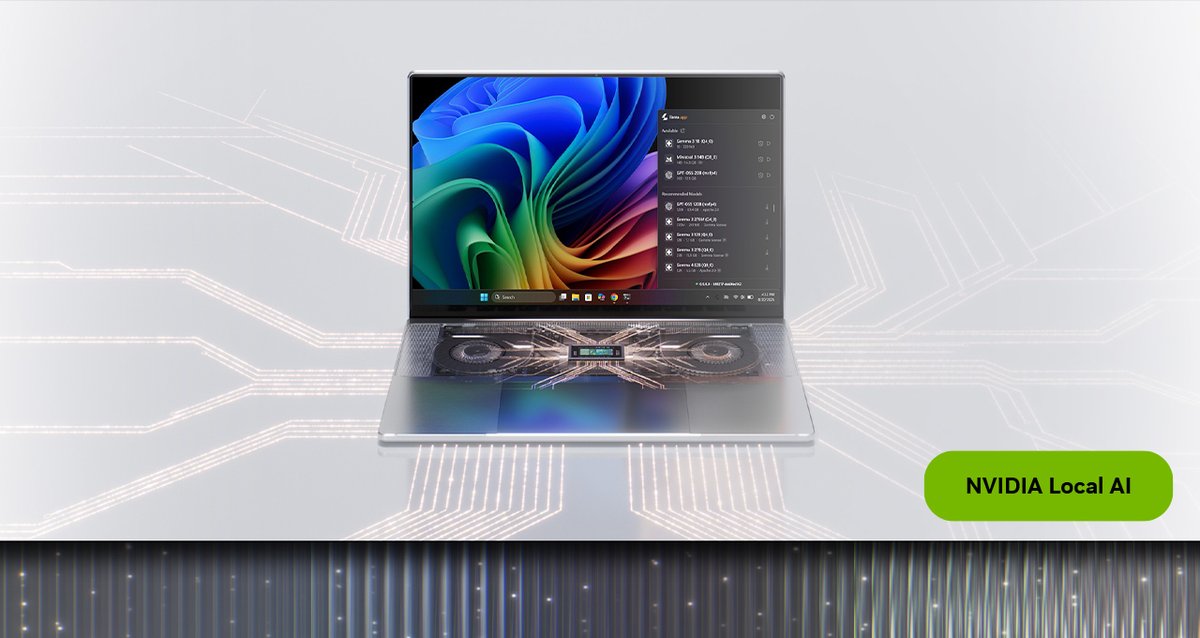
The hybrid local-plus-cloud model Feldman describes is already taking shape, with new laptops shipping with large unified memory for local models and open models optimized for edge devices. Products that can run part of their logic locally will be better placed for privacy-sensitive, always-on use.
The idea of assistants with access to credit cards raises the stakes for agent design. Purchases and other irreversible actions need clear limits, confirmation steps and audit trails. Builders should treat spending permissions as a first-class feature, with budgets, allowlists and easy ways for users to review and undo.
For founders, the more interesting question is the one Feldman left open: what new things become possible when an assistant runs continuously at home and knows your context? That is where new consumer products are likely to appear.
Local runtimes like Ollama and fast inference providers like Groq are listed in our APIs & Model Platforms category.
Source: TechCrunch. This article is PickAI’s own summary and analysis based on the original reporting.